Featured
Table of Contents
Death in the family. Let's state your partner dies, and they were the main income producer in the home. You might now have less cash to cover expenses. Divorce or separation. Divorce can be pricey, and living apart from your spouse can cause a considerable drop in earnings. This change in income might make paying your charge card expenses harder, at least in the short term.
Medical debt creates long-term monetary distress, with medical costs causing a big portion of U.S. insolvencies. Medical debt is a common cause of financial hardship.
The lower the ratio, the more cash you must need to cover expenses. The higher the ratio, the tighter your total budget will likely be. Be truthful with your financial institutions about what's going on. Opportunities are, there's nothing you can tell them that they have not heard before, so don't be shy.
You might take different paths, each with advantages and disadvantages. Here are a few of the choices: A financial obligation management strategy, or DMP, is a financial obligation relief solution that enables you to simplify monthly credit card payments. A nonprofit credit counseling firm examines your budget plan and credit card debts. They create a tailored strategy to completely settle your unsecured financial obligations in 3 to five years.
Qualifying for Government Financial Assistance in 2026
You make one monthly payment to the credit therapy company. That payment is then distributed among your financial institutions. Depending on the terms of your strategy, your charge card companies might accept waive charges or minimize your rate of interest. The trade-off is that you generally should close your credit accounts as a condition of your registration.
Many credit counseling agencies charge a modest cost for their services (normally $25 to $50 per month). They can pay for to supply inexpensive services due to the fact that they are moneyed by credit card companies. The monthly payment in a DMP is typically really high, making it hard to stick with the program over the long term.
Simplifies regular monthly financial obligation payments Possible for charge waivers, rates of interest decreases Financial education and supportUnsecured financial obligations onlyMost individuals pay regular monthly feesYou'll probably have to close your credit cardsInitial negative effect on credit scoreDoesn't lower your debtHigh regular monthly payments Financial obligation debt consolidation includes using a new loan to pay off several smaller sized debts.
Going forward, you make just one payment to the debt consolidation loan. Financial obligation debt consolidation makes the many sense if you can certify for a lower interest rate and you desire a set pay-off date for the financial obligations that you're combining.
Professional Strategies for Handling Consumer Debt
The huge danger with financial obligation consolidation is that it leaves the door open up to taking on more financial obligation. Think about closing your charge card accounts after you have actually consolidated the debt. Debt debt consolidation is for somebody who can manage their financial obligations and has a great sufficient credit score to get approved for a new loan.
Settling could minimize your debt, but you'll require to have something to use your lenders. To save cash for making deals, the majority of individuals pick to stop making financial obligation payments.
Besides helping you conserve up cash for offers, stopping payments clearly signals to your creditors that you remain in monetary distress. That might make them more likely to deal with you, however stopping payments will have an unfavorable influence on your credit standing. Settlements begin when you have actually enough saved approximately make an offer.
If you work with an expert debt settlement business like Freedom Debt Relief, they'll set up a devoted account for you. Each month, you make routine deposits to the account.
If you work with an expert financial obligation settlement company like Flexibility Debt Relief, we'll walk you through how to interact with your lenders throughout this time. Negotiations start. Once you have enough cash, the financial obligation settlement business starts to negotiate with the credit card business (or business) you owe. The financial obligation settlement company negotiates with financial institutions to settle the debt for less than what is owed.
Vital Rules for Starting Bankruptcy in 2026Steps to Prevent Unwanted Harassment From Credit Collectors
After at least one payment has been made, the financial obligation settlement business takes its fee from the very same account. Debt settlement charges are usually in between 15% and 25% of the registered debt.
In fact, 60% of customers who participate in debt settlement get good lead to as little as three months. That indicates that within 12 weeks, at least among your debts could be behind you. The entire program might last two to 4 years. Something to understand is that the internal revenue service may see forgiven debt as taxable earnings.
The internal revenue service may think about that $5,000 regular earnings. If you're insolvent when you settle the debt (in other words, if the overall of what you owe is higher than what you own), it's not likely you'll have to pay income taxes on forgiven debt. Speak to a competent tax professional before you decide to seek financial obligation settlement.
It might be an alternative to consider if you're experiencing financial difficulty. If you've already fallen back with payments and can't figure out how you'll return on top, working out with lenders is a much better method than neglecting the issue. Trying to find Might considerably minimize your debtNo charges if you DIYGet rid of financial obligations much faster than making minimum paymentsNo upfront settlement feesAffordable paymentPrivate Support from debt expertsUnsecured debts onlyForgiven amounts might be taxable You'll pay costs if you deal with an expert financial obligation settlement companyNegative effect on credit standingCreditors might still pursue you for the debts If your charge card debt is the outcome of a short-lived hardship such as task loss, medical concern, or other trouble, speak to your card issuer and ask for aid.
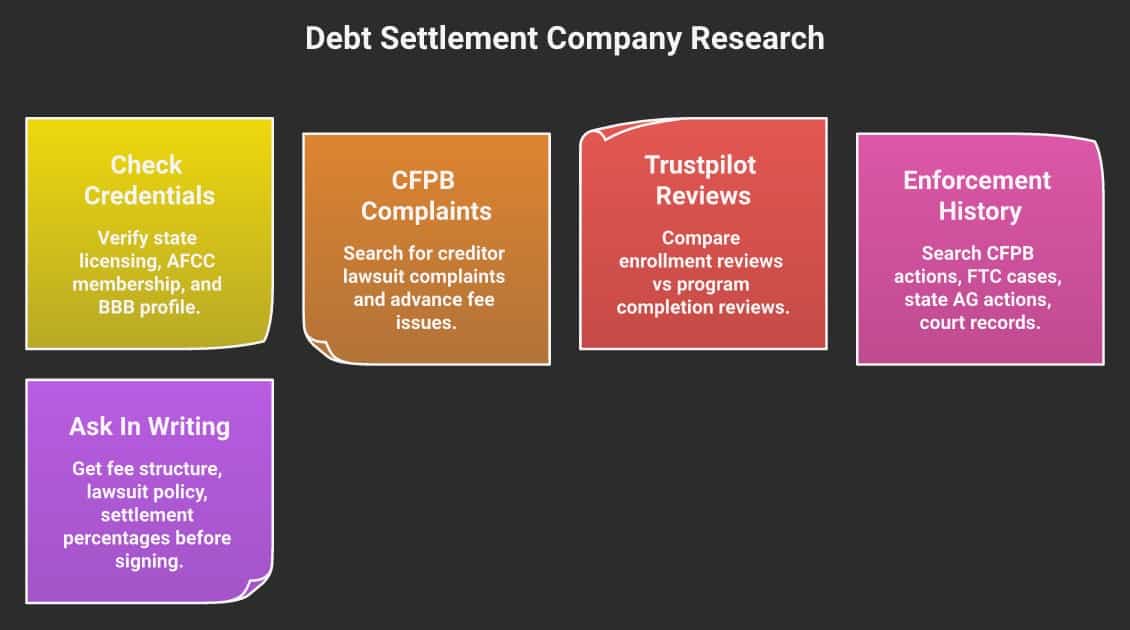
Locating Professional Financial Assistance in 2026
You expect your insurer to reimburse some of your costs, but you should come up with the money to cover instant costs. You do not understand for how long it will be before you're back on level financial footing. While financial institutions aren't bound to use challenge options, it's in their best interest to assist you make it through a rough area and keep you as a customer.
Here are some of the challenge determines you may be able to gain access to: Charge waiversInterest rate reductionsMinimum payment reductionsTemporary payment suspensionsCall, e-mail, or message your credit card business to ask what assistance is readily available. Be all set to describe your scenario, consisting of the quantity you can pay. Ask what files you require to provide, and whether there are any other program requirements.

Latest Posts
Understanding the Official Housing Counseling Process in 2026
Ways to Handle Total Insolvency Safely
Choosing Between Settlement and Bankruptcy in 2026